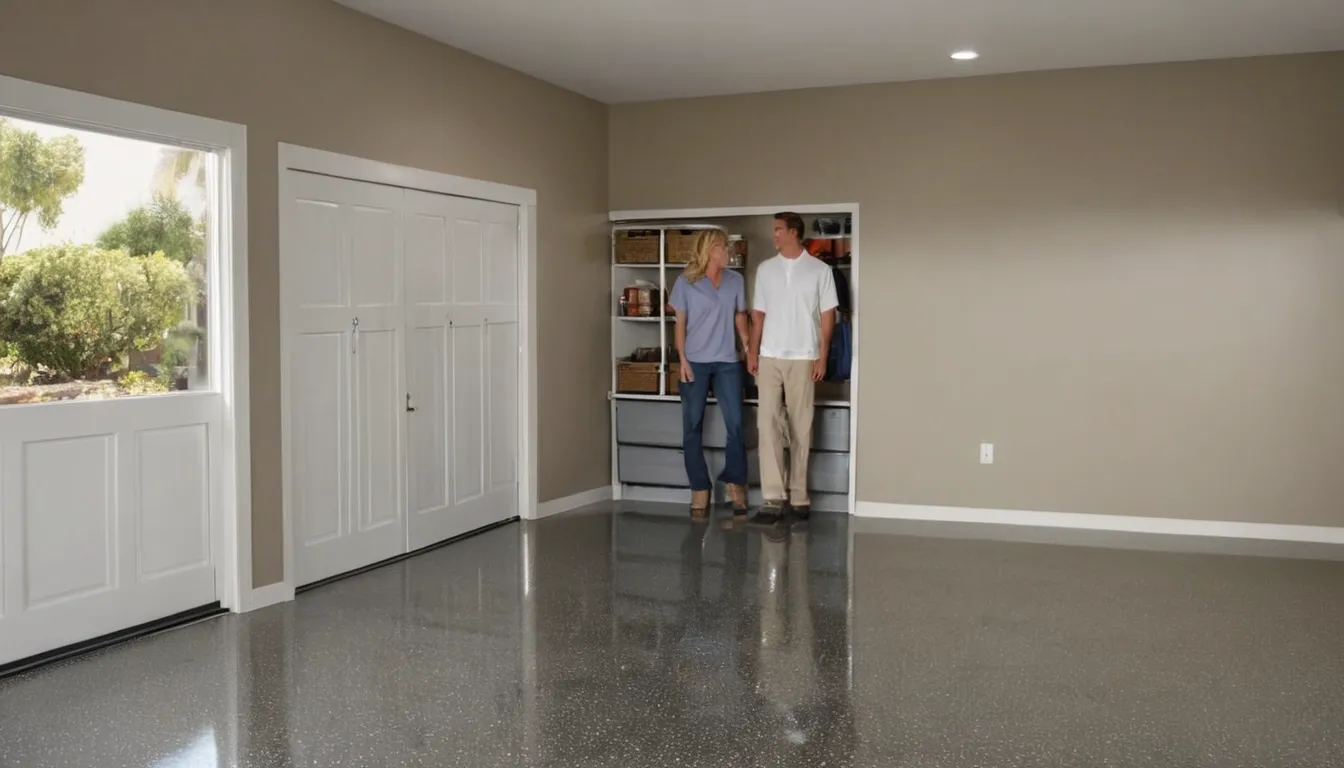
Epoxy Garage Floors from Independent Local Providers
A bare garage slab soaks up oil, salt, and water. Epoxy garage floors seal that surface with a hard, wipe-clean layer. Conceptspretty Floor Coating is a referral service. We connect homeowners in the Credit River area with independent providers in our network, and the provider does the work.
Floors tell stories. A spill in the first hour, a salty first winter, a crack by spring. Each one is easier to handle when it is caught early. This page explains what happens over hours, days, and seasons. It also covers the common systems, a typical install, and how to care for the floor afterward, so you can ask smart questions and request an estimate with no obligation.
Garage Floor Getting Worse? Start Here
A bare garage slab takes a beating. Oil soaks in. Road salt rides in on tires. Damp creeps up from the ground. If your floor is dusting, flaking, or stained, the clock is already running. The first hours and days matter most.
This page follows that timeline. Then it shows how epoxy garage floors work and how to keep them looking good for seasons to come.
The First Hours: A Fresh Spill
Oil, antifreeze, and brake fluid sit on top of bare concrete at first. Blot them up with rags or cat litter. Skip harsh solvents, since they can push the stain deeper. Then tell the provider what spilled, because it changes how they prep the slab.
The First Days: Moisture and Salt
A spring flood or a long thunderstorm can leave a slab damp for days. Winter salt keeps drawing water into the surface. Many providers test for moisture before coating anything. Epoxy laid over a wet slab is a common reason for bubbles and peeling later.
Request a callback to check provider availability in the Credit River area.
The First Weeks: Cracks and Pitting
Deep frost can lift and shift a slab. Hairline cracks widen. Pitted spots trap grit and water. A provider can often patch and grind these areas before coating. Wait through another winter, and a small patch can turn into a bigger repair.
Why Prep Matters More Than the Product
Most coating failures begin under the coating, not in the bucket. Epoxy has to grip the concrete. That usually means diamond grinding to open up the surface, not just a quick wash.
Good prep also means cleaning off oil, filling cracks and chipped spots, and vacuuming the dust. Skipped steps may show up as peeling near the door or lifted tire marks in the first summer. Ask how the provider plans to prep your slab before you compare prices.
Common Epoxy Floor Systems
Providers in our network offer a few popular setups. The right one depends on your budget and how you use the space.
- Solid color: A clean, simple look with a workshop feel.
- Flake or chip: Colored flakes go into the wet coat. They hide small flaws and add grip.
- Metallic: Swirled pigments give a deep, one-of-a-kind look. It is a popular pick among custom floor finishes.
- Hybrid with a polyaspartic topcoat: A tougher top layer that resists sun and scuffs.
If you want a concrete coating that hides dirt well, flake systems are a common choice.
What a Typical Install Looks Like
Most garages take a few days. The timing depends on the system and the weather.
- Day one: Grind the slab, patch cracks, and clear the dust.
- Day one or two: Roll on the primer and the base coat.
- Next: Scatter flakes if you chose them, then scrape off loose ones.
- Final step: Apply the clear topcoat for shine and protection.
Each layer needs time to cure. Cold or humid air can slow things down, so a provider may adjust the schedule around the forecast.
Timing the Job Around the Seasons
Coatings cure well in mild, dry air. Deep winter cold and sticky summer humidity can both cause trouble. Many homeowners book in late spring or early fall. Still, a damaged floor does not always wait for perfect weather. Ask the provider what is realistic right now and how they handle heat or damp air. Hail season and heavy rain matter too, because an open garage door can let blowing water in during the work.
Topcoats and UV Exposure
Open the garage door on a sunny afternoon and the light pours in. Some epoxies turn yellow or chalky under that sun. A UV-stable topcoat helps color hold up through hot, humid summers. Ask which topcoat the provider uses and how it handles the sunny spot near the door.
A topcoat also makes the floor easier to wipe clean after a muddy, salty winter.
Getting the Garage Ready
A little prep from you helps the job go smoothly.
- Clear out cars, shelves, bikes, and boxes.
- Move items off the walls where you can.
- Plan where the cars will park for several days.
- Keep pets and kids out of the space while the coat cures.
- Note any leaks near the door, since water can reach the slab.
Caring for Your New Floor
Coat it, keep it. Providers will give you cure times, so follow them closely. Light foot traffic is often fine after a day or so. Vehicles usually wait longer.
After that, care is simple:
- Sweep or dust-mop each week.
- In winter, rinse off road salt and squeegee the water toward the door.
- Wipe up oil and fluids when they spill.
- Use a mild cleaner, not harsh acids.
- Put a mat under a jack stand or kickstand.
- Check edges and seams each spring.
Questions to Ask the Installer
Before you say yes, ask these:
- How will you prep my slab?
- Will you test for moisture?
- Which system and topcoat do you suggest, and why?
- How long until I can walk and park on it?
- What does the written quote include?
- What care do you recommend?
A Note on Other Flooring
Some providers also handle work inside the house, such as hardwood flooring installation. If that matters to you, mention it when you talk with a provider. For now, this page stays in the garage.
Request a callback to talk through your garage floor with a local provider.
What's Included
Surface Prep
Grinding, cleaning, and crack patching so the coating can grip your concrete.
Base and Color Coats
Primer and epoxy layers in solid, flake, or metallic looks that suit your garage.
Protective Clear Topcoat
A clear final layer for shine, easier cleaning, and resistance to sun and scuffs.
Cure Guidance
Clear timing on when to walk, park, and clean, based on the system used.
What Epoxy Garage Floors Typically Cost in the U.S.
Prices vary by garage size, slab condition, and the system you pick. These are typical U.S. ranges only. Local rates differ, so ask each provider for a written quote that lists prep, coats, and topcoat.
| Item | Typical range | Notes |
|---|---|---|
| Solid color epoxy, per sq ft | $3 – $7 | Simple look; price rises with heavy prep |
| Flake or chip system, per sq ft | $5 – $10 | Hides flaws and adds grip |
| Metallic epoxy, per sq ft | $8 – $14 | Custom look; needs a skilled hand |
| Two-car garage, full system | $2,000 – $5,000 | Often about 400 sq ft; varies widely |
| Crack and spall repair | $200 – $800 | Depends on how many and how deep |
| Moisture testing or sealing | $100 – $600 | Needed if the slab stays damp |
How It Works
Share Your Garage
Tell us the size, the floor condition, and what look you have in mind.
Get Matched Locally
We connect you with an independent provider in the Credit River area who handles garage floors.
Review the Written Quote
Ask about prep, system, topcoat, and cure time before you agree.
Coat It, Keep It
After the work, follow the care steps through each season to protect the finish.
Why Call Conceptspretty Floor Coating
Local Providers
Independent providers in our network know how regional frost, salt, and humidity treat garage slabs.
Plain Guidance
We explain the steps and timing in simple words before you talk to anyone.
No Obligation
Request an estimate, compare answers, and decide at your own pace.
Honest Roles
Conceptspretty Floor Coating makes the connection. The provider does the work and gives the quote.
Other Services
Need epoxy garage floors in Credit River?
Tell us about your garage or concrete floor and request an estimate. A local provider from our network can follow up, with no obligation to move forward.
No obligationEpoxy Garage Floors FAQ
How long do epoxy garage floors last?
It depends on prep, the system, and how the garage is used. Well-prepped floors with a good topcoat often last many years. Salt, sun, and hot tires wear any coating faster, so regular cleaning helps.
How long before I can park on a new epoxy floor?
Light foot traffic is often fine after about a day, but cars usually wait several days. Cure times vary by product and weather, so follow what your provider tells you.
Can epoxy be applied over cracked or stained concrete?
Often yes, after prep. Providers can usually patch cracks and grind away stains first. Deep damage or a damp slab may need extra steps, so ask for a written plan.
Request a callback
Tell us about your garage or concrete floor and request an estimate. A local provider from our network can follow up, with no obligation to move forward.
No obligation